- Fungi Including Lichens
- ›Ascomycete Fungi
- ›Sac Fungi and Lichens
- ›Sordariomycetes
- ›Xylariomycetidae
- ›Xylariales
Xylariaceae
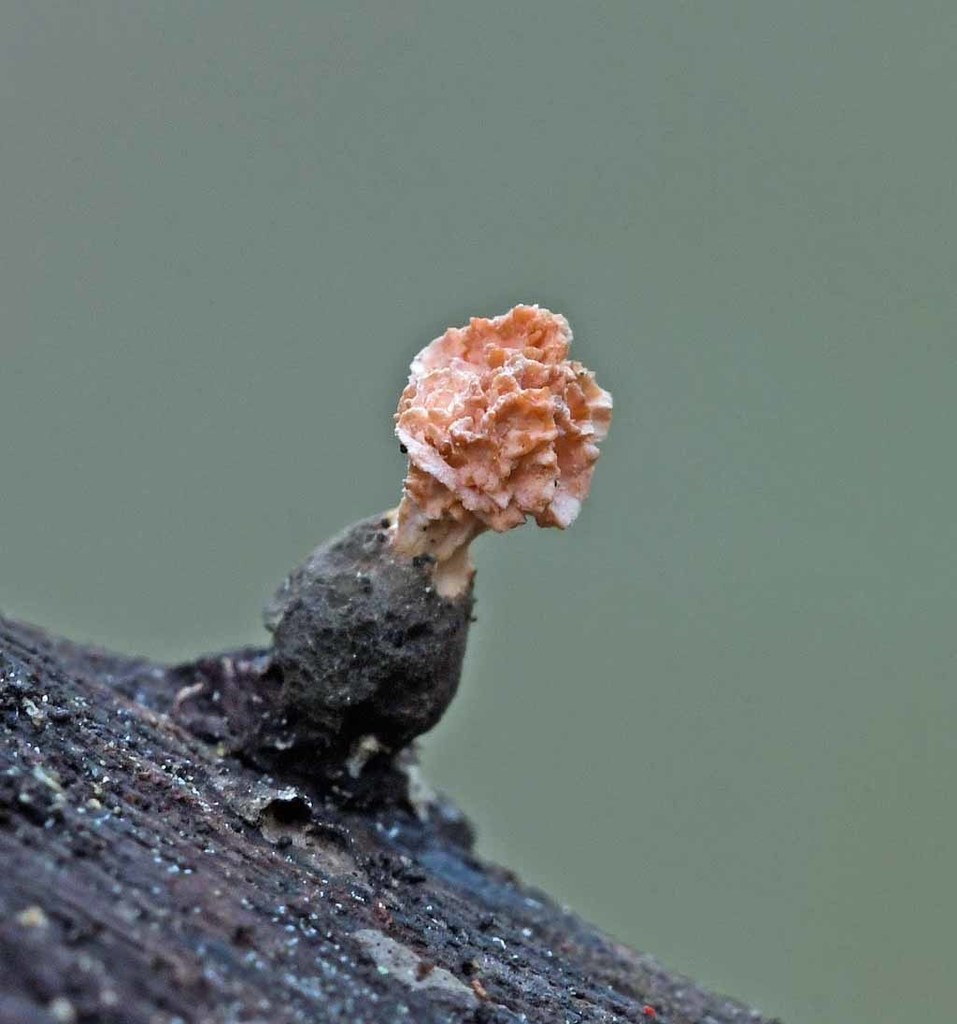
The Xylariaceae are a family of mostly small ascomycetous fungi. It is one of the most commonly encountered groups of ascomycetes and is found throughout the temperate and tropical regions of the world. They are typically found on wood, seeds, fruits, or plant leaves, some even associated with insect nests. Most decay wood and many are plant pathogens.
One example of this family is King Alfred's Cake (Daldinia concentrica).
44 branches of this family, most-observed first

Xylaria
genusXylaria

Kretzschmaria
genusKretzschmaria
Rosellinia
genusRosellinia

Poronia
genusPoronia

Nemania
genusNemania
Hypocreodendron
genusHypocreodendron
Podosordaria
genusPodosordaria

Entoleuca
genusEntoleuca
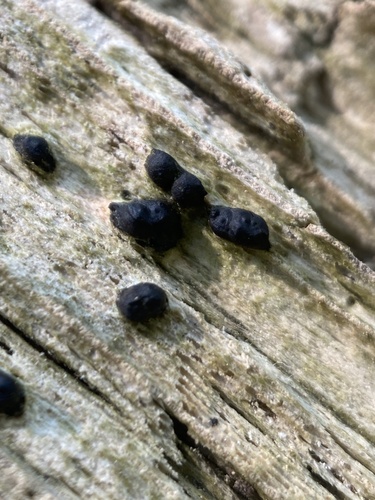
Euepixylon
genusEuepixylon

Anthostomella
genusAnthostomella
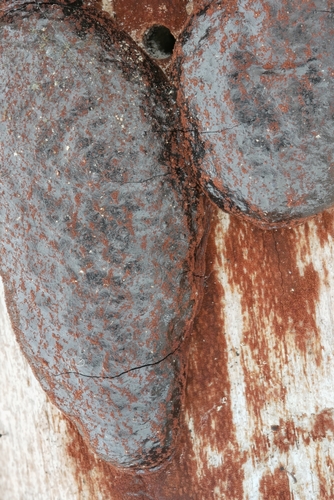
Pyrenomyxa
genusPyrenomyxa

Hypocopra
genusHypocopra
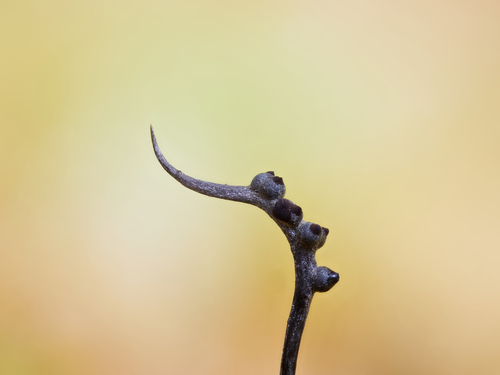
Wawelia
genusWawelia
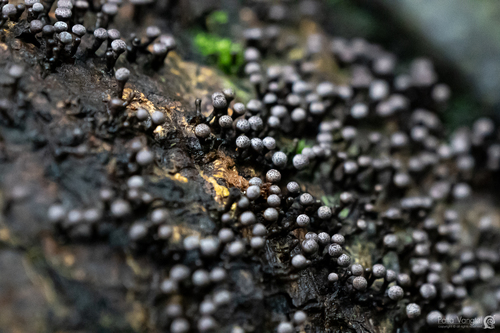
Rhopalostroma
genusRhopalostroma
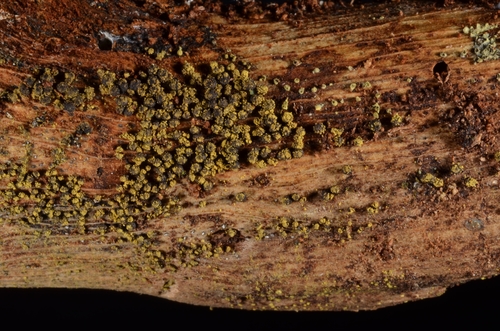
Stilbohypoxylon
genusStilbohypoxylon

Engleromyces
genusEngleromyces
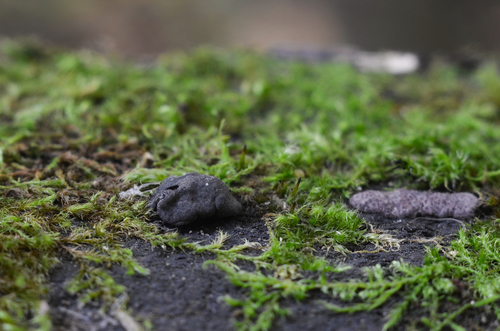
Chlorostroma
genusChlorostroma
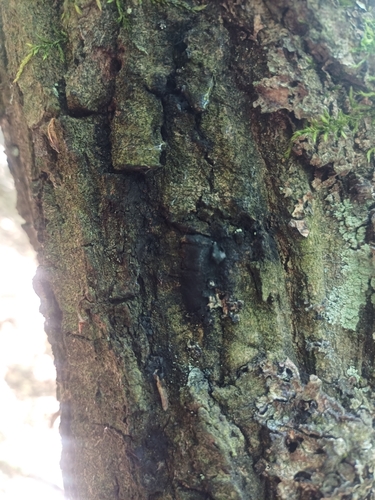
Obolarina
genusObolarina
Barrmaelia
genusBarrmaelia
Leprieuria
genusLeprieuria
Dematophora
genusDematophora
Penzigia
genusPenzigia
Durotheca
genusDurotheca
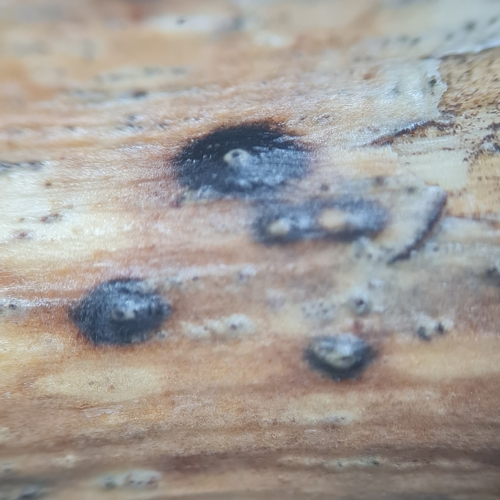
Clypeosphaeria
genusClypeosphaeria
Astrocystis
genusAstrocystis
Nummularia
genusNummularia
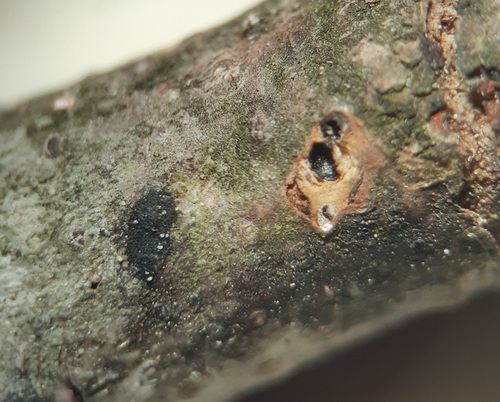
Oligostoma
genusOligostoma
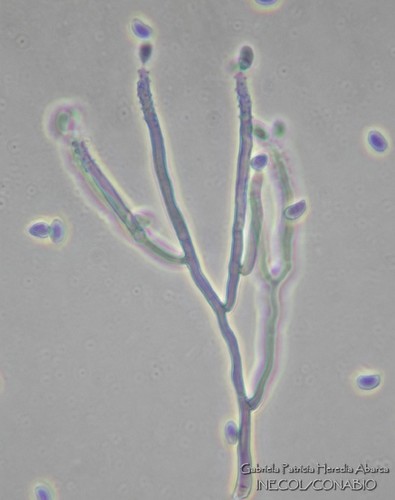
Virgaria
genusVirgaria

Kretzschmariella
genusKretzschmariella
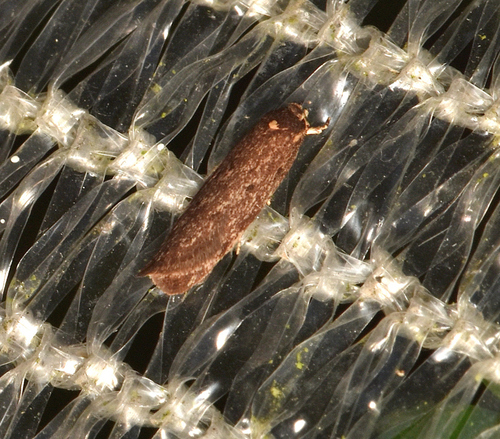
Guestia
genusGuestia
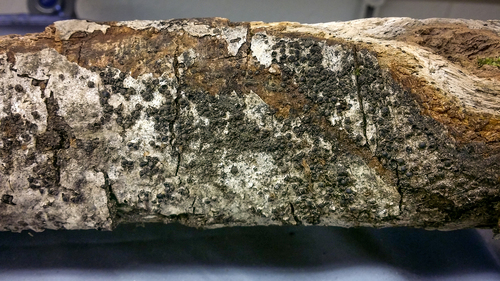
Amphirosellinia
genusAmphirosellinia
Xylosphaera
genusXylosphaera
Ascotricha
genusAscotricha
Beltraniopsis
genusBeltraniopsis
Helicogermslita
genusHelicogermslita
Gyrocerus
genusGyrocerus
Pseudoanthostomella
genusPseudoanthostomella
Coprolepa
genusCoprolepa
Halorosellinia
genusHalorosellinia
Muscodor
genusMuscodor
Pidoplitchkoviella
genusPidoplitchkoviella
Linosporopsis
genusLinosporopsis
Adomia
genusAdomia
Xylocladium
genusXylocladium
Where it lives
Recorded sightings
—
geo-referenced records in GBIF, from museums, herbaria and field observers.
Drag the globe to turn it. Dots are where records exist, not a range map; darker means more records.
In the stacks
Searching the stacks…
Every page naming Xylariaceae in the Biodiversity Heritage Library →
This page is assembled live from iNaturalist, GBIF, Wikipedia, the Source Library and the Internet Archive. It is not yet part of the hand-edited codex. iNaturalist taxon 48806.