- Fungi Including Lichens
- ›Basidiomycete Fungi
- ›Higher Basidiomycetes
- ›Mushrooms, Bracket Fungi, Puffballs, and Allies
- ›Agaricomycetidae
- ›Common Gilled Mushrooms and Allies
- ›Pluteineae
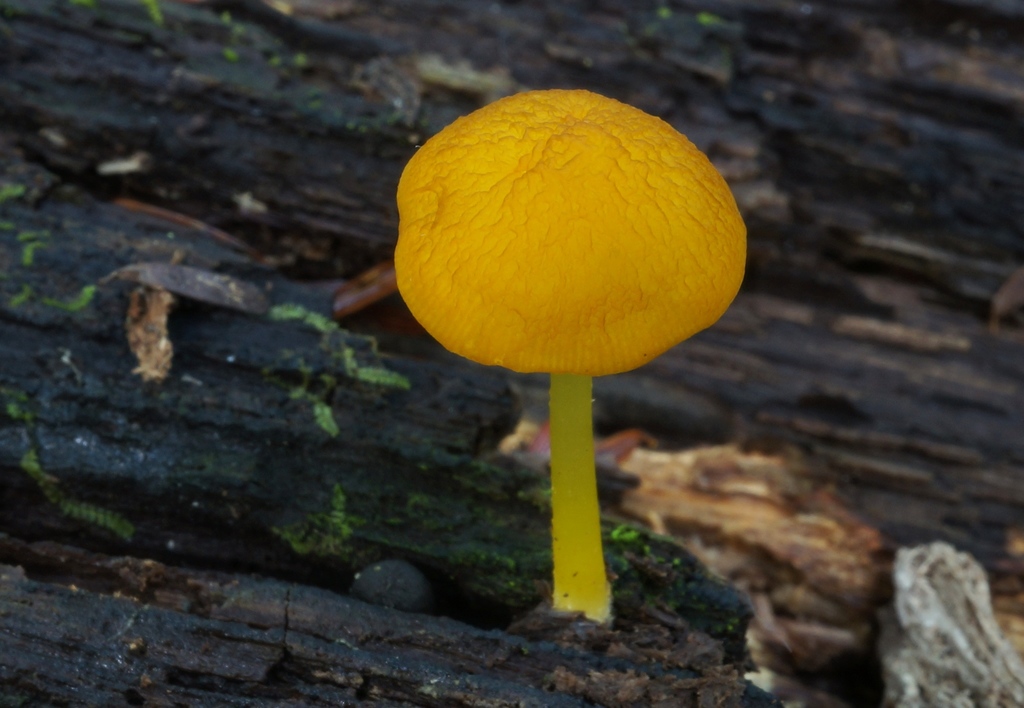
Pluteaceae
The Pluteaceae are a family of small to medium-sized mushrooms which have free gill attachment and pink spores. Members of Pluteaceae can be mistaken for members of Entolomataceae, but can be distinguished by the angled spores and attached gills of the Entolomataceae. The four genera in the Pluteaceae comprise the widely distributed Volvariella and Pluteus, the rare Chamaeota, and Volvopluteus, which was newly described in 2011 as a result of molecular analysis. The Dictionary of the Fungi (10th edition, 2008) estimates there are 364 species in the family.
3 branches of this family, most-observed first
See this branch on the Wheel of Life →

Where it lives
Recorded sightings
—
geo-referenced records in GBIF, from museums, herbaria and field observers.
Drag the globe to turn it. Dots are where records exist, not a range map; darker means more records.
In the stacks
Searching the stacks…
Every page naming Pluteaceae in the Biodiversity Heritage Library →
This page is assembled live from iNaturalist, GBIF, Wikipedia, the Source Library and the Internet Archive. It is not yet part of the hand-edited codex. iNaturalist taxon 48420.