- Fungi Including Lichens
- ›Basidiomycete Fungi
- ›Higher Basidiomycetes
- ›Mushrooms, Bracket Fungi, Puffballs, and Allies
- ›Agaricomycetidae
- ›Common Gilled Mushrooms and Allies
- ›Pluteineae
- ›amanita mushrooms and allies
- ›Amaniteae
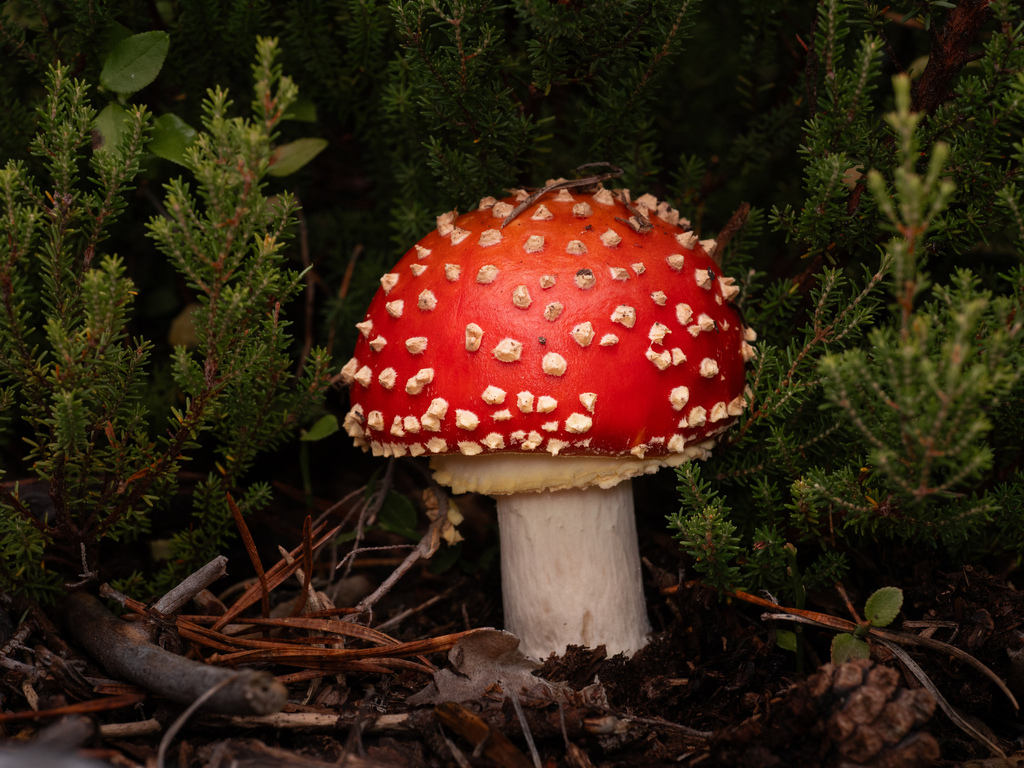
amanita mushrooms
Amanita
The genus Amanita contains about 600 described species of agarics, including some of the most toxic known mushrooms found worldwide, as well as some well-regarded edible species (and many species of unknown edibility). The genus is responsible for 95% of fatalities resulting from mushroom poisoning, with the death cap accounting for 90% of fatalities every year. The most potent toxin synthesized by this genus is α-Amanitin.
The genus also contains many edible mushrooms, but mycologists advice caution in selecting any of these for human consumption, due to the potentially lethal consequences of misidentification. Nonetheless, in some cultures, the larger local edible species of Amanita are mainstays of the markets in the local growing season. Samples of this are Amanita zambiana and other fleshy species in central Africa, A. basii and similar species in Mexico, A. caesarea and the "Blusher" A. rubescens in Europe, and A. chepangiana in Southeast Asia. Other species are used for colouring sauces, such as the red A. jacksonii, with a range from eastern Canada to eastern Mexico.
23 branches of this genus, most-observed first
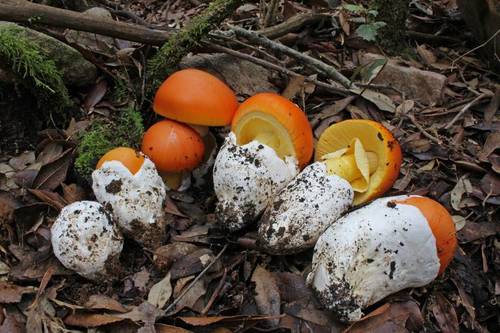
Amanita subg. Amanita
subgenusAmanita

Amanita subg. Amanitina
subgenusAmanitina
Lepidella
subgenusLepidella
Amanita sp. 'IN05'
speciesAmanita sp. 'IN05'
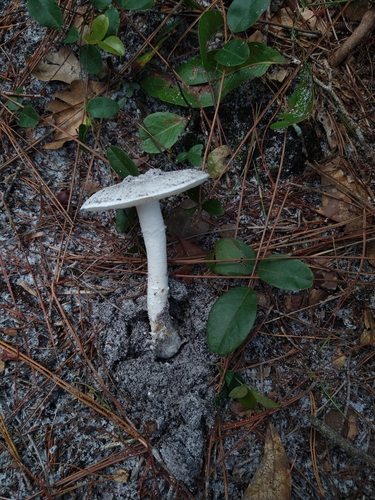
Amanita sp. 'FL13'
speciesAmanita sp. 'FL13'
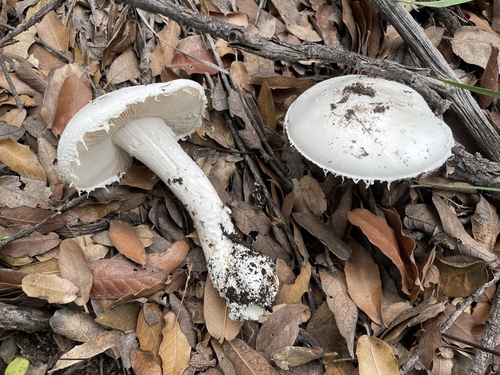
Amanita sp. 'AZ04'
speciesAmanita sp. 'AZ04'
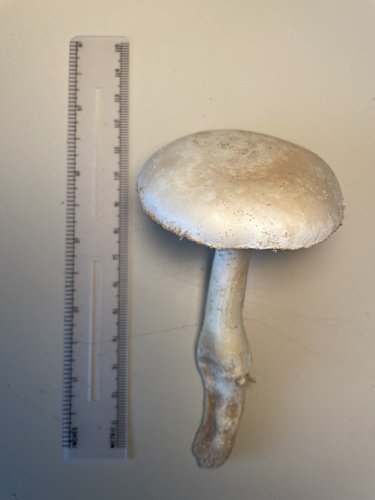
Amanita sp. 'FL25'
speciesAmanita sp. 'FL25'
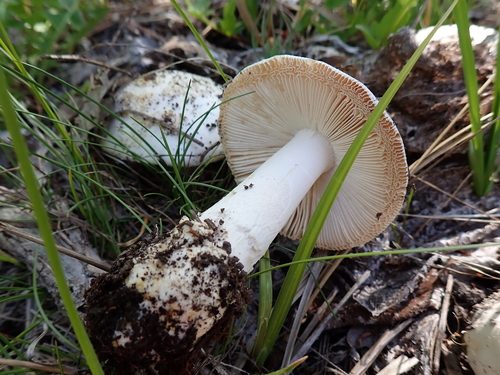
Amanita sp. 'AZ28'
speciesAmanita sp. 'AZ28'
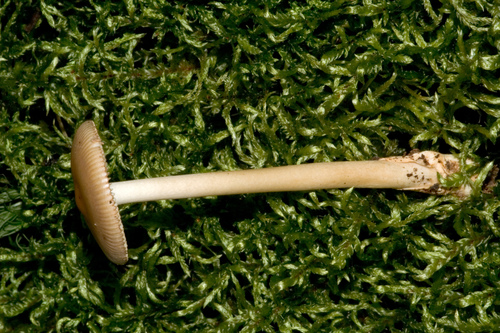
Amanita sp. 'NFL08'
speciesAmanita sp. 'NFL08'
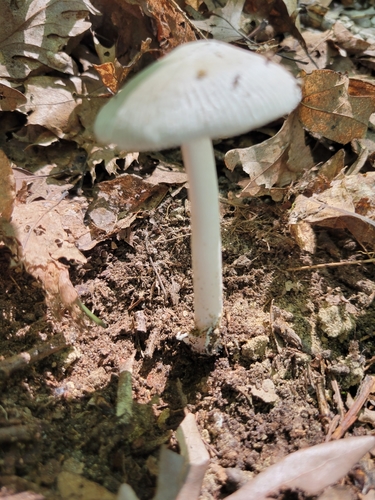
Amanita sp. 'IN56'
speciesAmanita sp. 'IN56'
Amanita sp. 'CA08'
speciesAmanita sp. 'CA08'
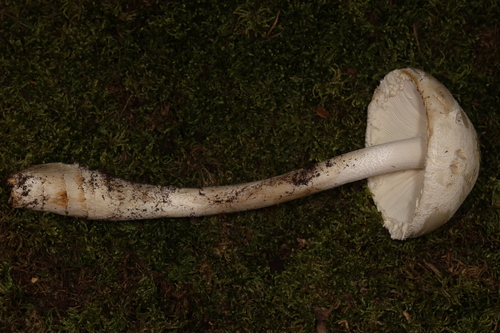
Amanita sp. 'PA08'
speciesAmanita sp. 'PA08'
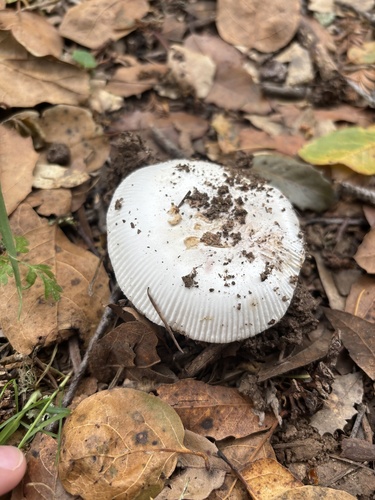
Amanita sp. 'CA12'
speciesAmanita sp. 'CA12'
Amanita sp. 'AZ33'
speciesAmanita sp. 'AZ33'
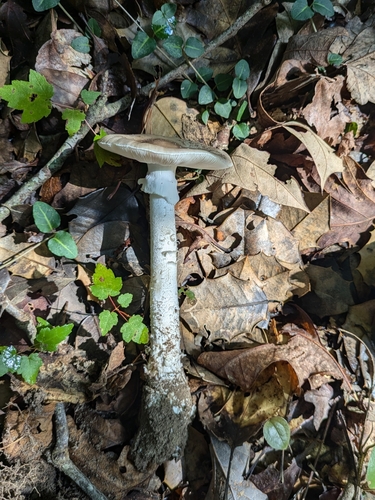
Amanita sp. 'MD25'
speciesAmanita sp. 'MD25'
Amanita sp. 'AZ34'
speciesAmanita sp. 'AZ34'
Amanita sp. 'AZ35'
speciesAmanita sp. 'AZ35'
Amanita sp. 'AZ36'
speciesAmanita sp. 'AZ36'
Amanita sp. 'CA13'
speciesAmanita sp. 'CA13'
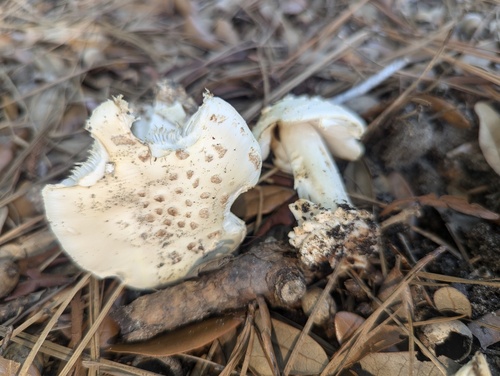
Amanita sp. 'NC11'
speciesAmanita sp. 'NC11'
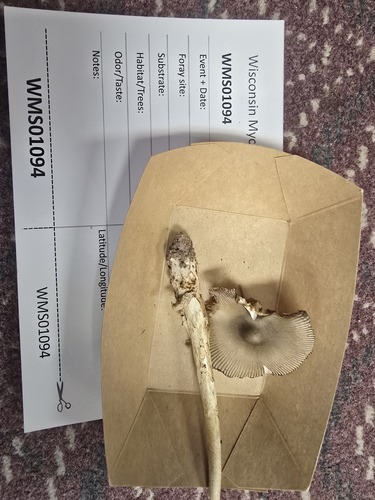
Amanita sp. 'WI02'
speciesAmanita sp. 'WI02'
Amanita sp. 'TX02'
speciesAmanita sp. 'TX02'
Amanita sp. 'NC12'
speciesAmanita sp. 'NC12'
Where it lives
Recorded sightings
—
geo-referenced records in GBIF, from museums, herbaria and field observers.
Drag the globe to turn it. Dots are where records exist, not a range map; darker means more records.
In the old herbals & bestiaries

An History of Fungusses, growing about Halifax (Vols 1-2)
James Bolton · 1788 · p.236

Illustrations of Fungi which Grow in Bavaria and the Palatinate around Ratisbon, Vols 1–2
Jacob Christian Schaeffer; C.H. Persoon (ed.) · 1800 · p.141

Illustrations of Fungi which Grow in Bavaria and the Palatinate around Ratisbon, Vols 1–2
Jacob Christian Schaeffer; C.H. Persoon (ed.) · 1800 · p.142

Illustrations of Fungi which Grow in Bavaria and the Palatinate around Ratisbon, Vols 1–2
Jacob Christian Schaeffer; C.H. Persoon (ed.) · 1800 · p.202

Illustrations of Fungi which Grow in Bavaria and the Palatinate around Ratisbon, Vols 3–4
Jacob Christian Schaeffer; C.H. Persoon (ed.) · 1800 · p.155

Rariorum Plantarum Historia (with Fungorum Historia)
Carolus Clusius · 1601 · p.662

Iconography of the Mushrooms of Paulet
J.H. Léveillé; plates by Paulet · 1855 · p.480

Histoire des Champignons de la France, Vol 2
Pierre Bulliard · 1791 · p.9

Histoire des Champignons de la France, Vol 2
Pierre Bulliard · 1791 · p.125

Histoire des Champignons de la France, Vol 2
Pierre Bulliard · 1791 · p.127
In the stacks
Searching the stacks…
Every page naming Amanita in the Biodiversity Heritage Library →
This page is assembled live from iNaturalist, GBIF, Wikipedia, the Source Library and the Internet Archive. It is not yet part of the hand-edited codex. iNaturalist taxon 48419.