
kelp, diatoms, and allies
Chromista
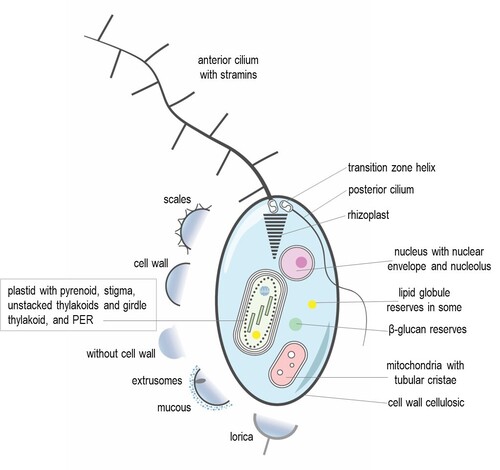
Chromista is a proposed but controversial biological kingdom, refined from the Chromalveolata, consisting of single-celled and multicellular eukaryotic species that share similar features in their photosynthetic organelles (plastids). It includes all eukaryotes whose plastids contain chlorophyll c and are surrounded by four membranes. If the ancestor already possessed chloroplasts derived by endosymbiosis from red algae, all non-photosynthetic Chromista have secondarily lost the ability to photosynthesise. Its members might have arisen independently as separate evolutionary groups from the last eukaryotic common ancestor.
Chromista as a taxon was created by the British biologist Thomas Cavalier-Smith in 1981 to distinguish the stramenopiles, haptophytes, and cryptophytes. According to Cavalier-Smith, the kingdom originally consisted mostly of photosynthetic eukaryotes (algae), but he later brought many heterotrophs (protozoa) into the proposed group. As of 2022, the kingdom was nearly as diverse as the kingdoms Plantae and Animalia, consisting of nine phyla. Notable members include marine algae, potato blight, dinoflagellates, Paramecium, the brain parasite Toxoplasma, and the malarial parasite Plasmodium.
18 branches of this kingdom, most-observed first
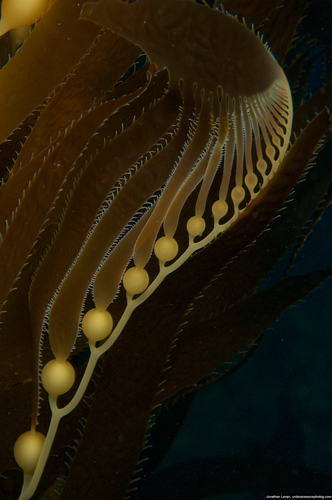
Ochrophyta
phylumOchrophyta

Ciliates
phylumCiliophora

Water Molds
phylumOomycota

dinoflagellates and allies
phylumMiozoa

Foraminifers
phylumForaminifera

Cercozoa
phylumCercozoa
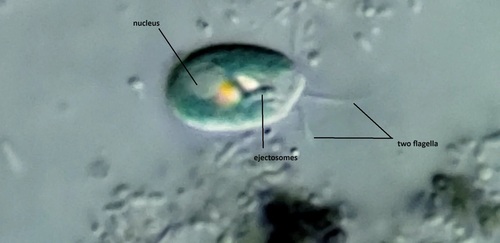
Cryptista
phylumCryptista

Bigyra
phylumBigyra

Heliozoa
phylumHeliozoa

Radiolarians
phylumRadiozoa
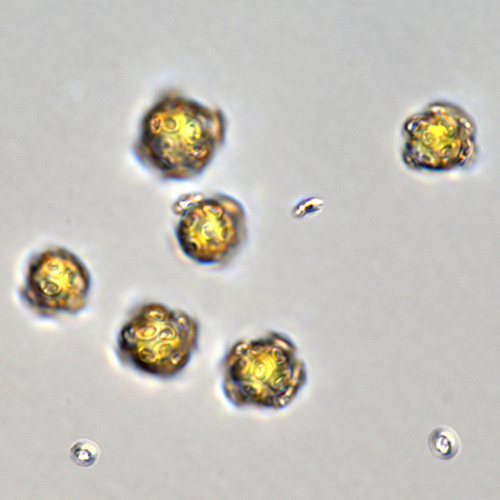
Haptophyta
phylumHaptophyta

Hyphochytriomycota
phylumHyphochytriomycota
Retaria
phylumRetaria
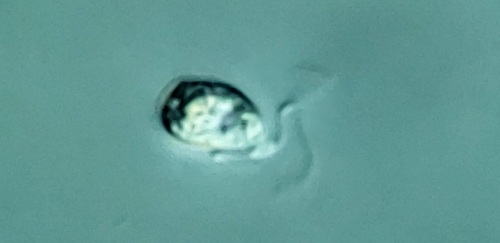
Telonemia
phylumTelonemia
Gyrista
phylumGyrista

Picozoa
phylumPicozoa
Acavomonidia
phylumAcavomonidia
Endohelea
classEndohelea
Where it lives
Recorded sightings
—
geo-referenced records in GBIF, from museums, herbaria and field observers.
Drag the globe to turn it. Dots are where records exist, not a range map; darker means more records.
In the stacks
Searching the stacks…
Every page naming Chromista in the Biodiversity Heritage Library →
This page is assembled live from iNaturalist, GBIF, Wikipedia, the Source Library and the Internet Archive. It is not yet part of the hand-edited codex. iNaturalist taxon 48222.