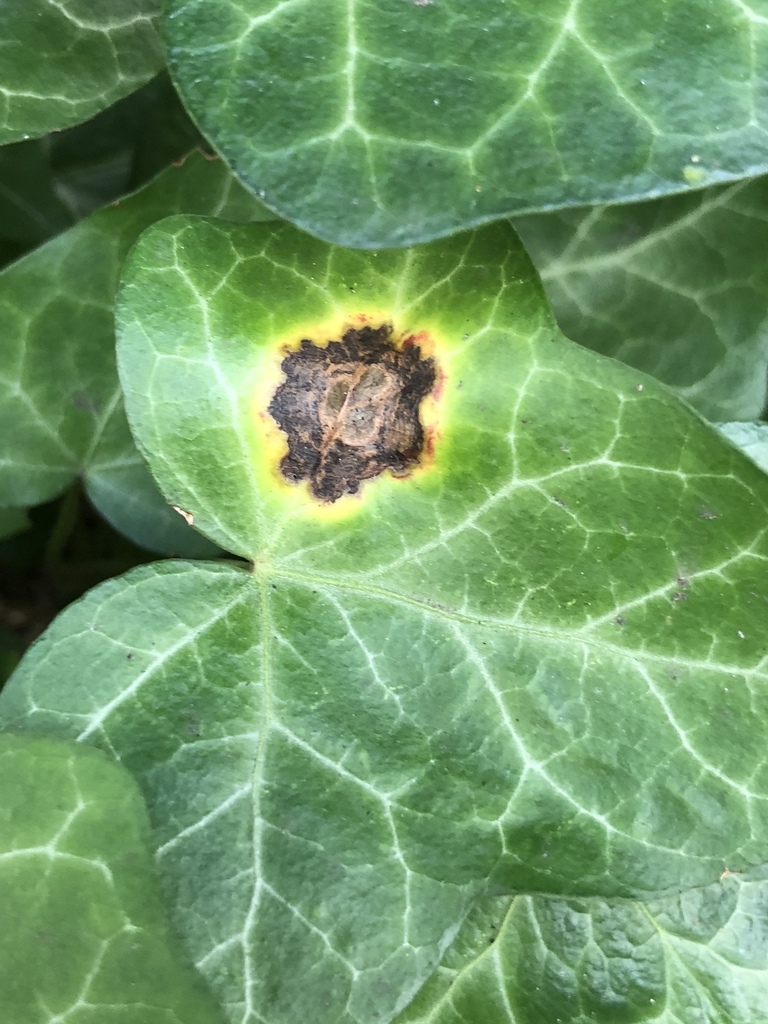
Xanthomonas campestris
Xanthomonas campestris is a gram-negative, obligate aerobic bacterium that is a member of the Xanthomonadaceae, a family of bacteria that are commonly known for their association with plant disease. This species includes Xanthomonas campestris pv. campestris, the cause of black rot in brassicas (cruciferous vegetables), one of the most important diseases of brassicas worldwide.
These bacteria are facultative saprophytes, meaning that they are typically parasitic while also having the ability to live on dead or decaying organic matter under the proper conditions. Upon initial infection, the bacteria remain in the epiphytic stage; however, the harmful endophytic stage is reached when the bacteria actually enter the plant host through natural openings. In general, the genes that contribute significantly to the plant-bacteria relationship are the avirulence (avr) genes, the hypersensitivity response and pathogenicity (hrp) genes, and the pathogenicity factors (rpf) genes. Additionally, the virulence determinants associated with the seedborne diseases that result from this bacterium include extracellular enzymes, polysaccharides, lipopolysaccharides, etc.
Where it lives
Recorded sightings
—
geo-referenced records in GBIF, from museums, herbaria and field observers.
Drag the globe to turn it. Dots are where records exist, not a range map; darker means more records.
In the stacks
Searching the stacks…
Every page naming Xanthomonas campestris in the Biodiversity Heritage Library →
This page is assembled live from iNaturalist, GBIF, Wikipedia, the Source Library and the Internet Archive. It is not yet part of the hand-edited codex. iNaturalist taxon 384743.