
agrobacteria
Agrobacterium
Agrobacterium is a genus of Gram-negative bacteria established by H. J. Conn that uses horizontal gene transfer to cause tumors in plants. Agrobacterium tumefaciens is the most commonly studied species in this genus. Agrobacterium is well known for its ability to transfer DNA between itself and plants, and for this reason it has become an important tool for genetic engineering.
11 branches of this genus, most-observed first

bacterial crown gall
speciesAgrobacterium radiobacter
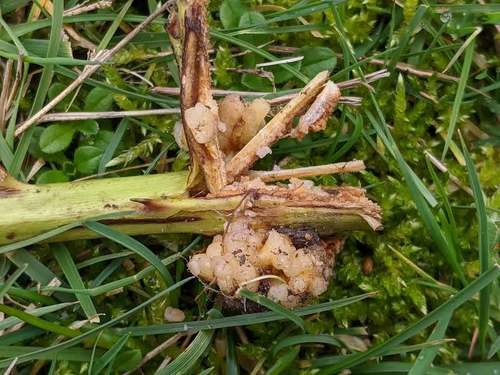
Agrobacterium rubi
speciesAgrobacterium rubi
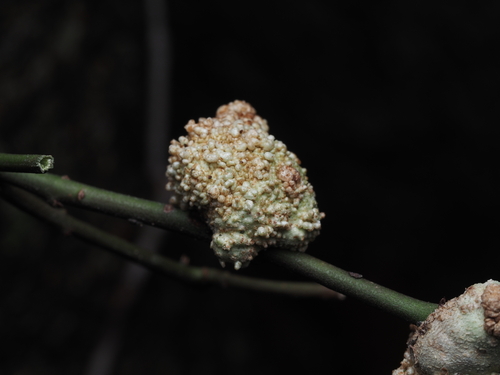
bacterial crown gall
speciesAgrobacterium tumefaciens
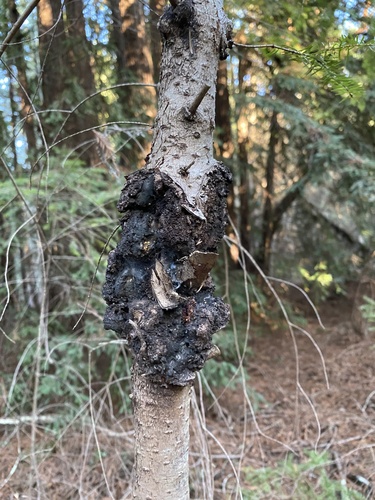
Agrobacterium pseudotsugae
speciesAgrobacterium pseudotsugae
Agrobacterium agile
speciesAgrobacterium agile
Agrobacterium larrymoorei
speciesAgrobacterium larrymoorei
Agrobacterium luteum
speciesAgrobacterium luteum
Agrobacterium nepotum
speciesAgrobacterium nepotum
Agrobacterium pusense
speciesAgrobacterium pusense
Agrobacterium salinitolerans
speciesAgrobacterium salinitolerans
Agrobacterium skierniewicense
speciesAgrobacterium skierniewicense
Where it lives
Recorded sightings
—
geo-referenced records in GBIF, from museums, herbaria and field observers.
Drag the globe to turn it. Dots are where records exist, not a range map; darker means more records.
In the stacks
Searching the stacks…
Every page naming Agrobacterium in the Biodiversity Heritage Library →
This page is assembled live from iNaturalist, GBIF, Wikipedia, the Source Library and the Internet Archive. It is not yet part of the hand-edited codex. iNaturalist taxon 349872.