- Fungi Including Lichens
- ›Ascomycete Fungi
- ›Sac Fungi and Lichens
- ›Common Lichens
- ›Shield Lichens, Sunburst Lichens, Rosette Lichens, and Allies
- ›shield lichens, rim lichens, and allies

Pilocarpaceae
The Ectolechiaceae are a family of lichen-forming fungi in the order Lecanorales. The species of this family have a cosmopolitan distribution and have been found in a variety of climatic regions. The family was first described by Alexander Zahlbruckner in 1905, originally for a group of tropical, leaf-dwelling lichens. Its scope has since expanded considerably, and the family now encompasses both tropical genera such as Byssoloma and Calopadia and the large, predominantly temperate-to-arctic genus Micarea. As of 2026, the family contains more than 30 genera and an estimated 470 species. It has also been referred to in some sources as Pilocarpaceae, although current treatments use Ectolechiaceae.
20 branches of this family, most-observed first

Micarea
genusMicarea
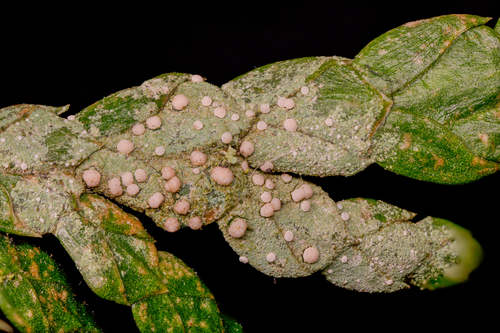
Fellhanera
genusFellhanera
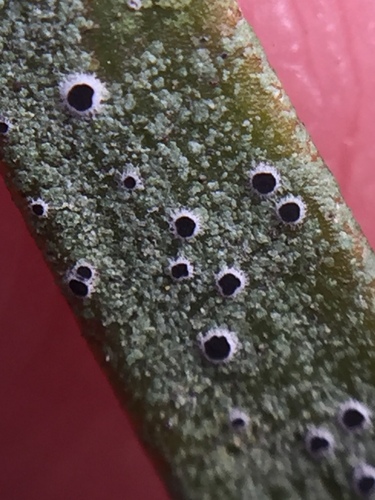
Fuzzy-rim Lichens
genusByssoloma

Leaf Dot Lichens
genusCalopadia

Badimiella
genusBadimiella
Tapellaria
genusTapellaria
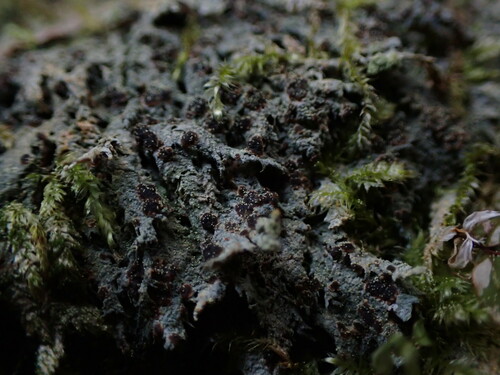
Helocarpon
genusHelocarpon

Sporopodium
genusSporopodium
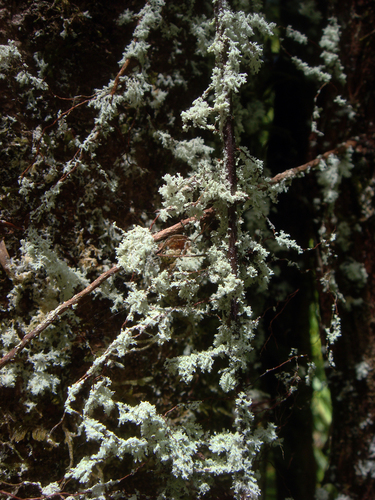
Roccellinastrum
genusRoccellinastrum
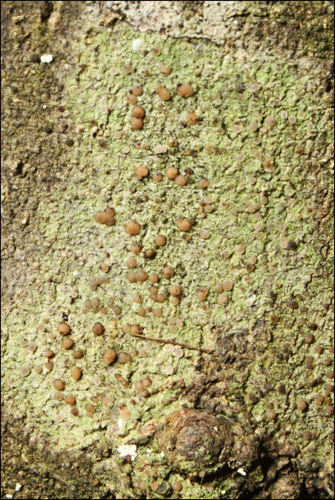
Bapalmuia
genusBapalmuia
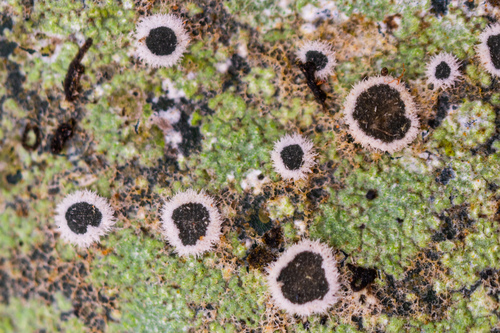
Lasioloma
genusLasioloma

Aquacidia
genusAquacidia
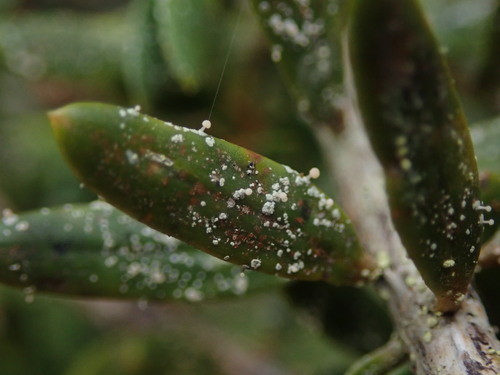
Podotara
genusPodotara
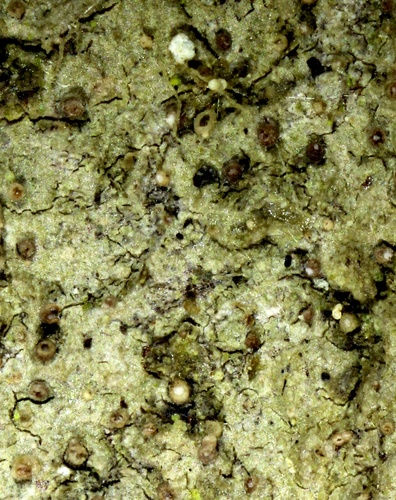
Fellhaneropsis
genusFellhaneropsis
Eugeniella
genusEugeniella
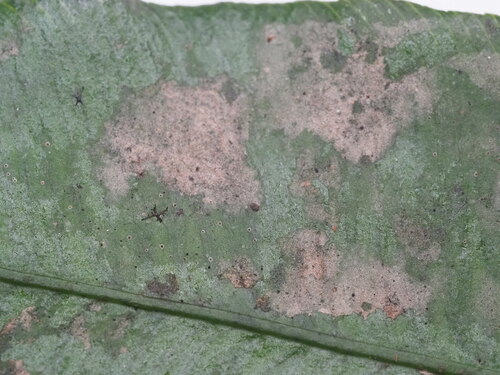
Byssolecania
genusByssolecania
Pyrenotrichum
genusPyrenotrichum
Chlorocyphella
genusChlorocyphella
Gonolecania
genusGonolecania
Loflammia
genusLoflammia
Where it lives
Recorded sightings
—
geo-referenced records in GBIF, from museums, herbaria and field observers.
Drag the globe to turn it. Dots are where records exist, not a range map; darker means more records.
In the stacks
Searching the stacks…
Every page naming Pilocarpaceae in the Biodiversity Heritage Library →
This page is assembled live from iNaturalist, GBIF, Wikipedia, the Source Library and the Internet Archive. It is not yet part of the hand-edited codex. iNaturalist taxon 175303.