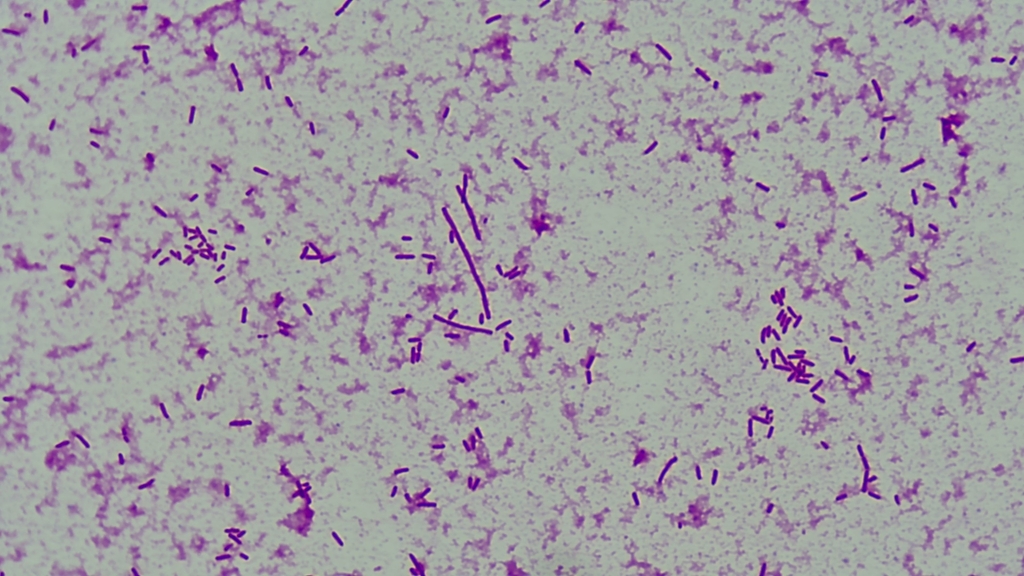
Pluralibacter gergoviae
Pluralibacter gergoviae (formerly Enterobacter gergoviae) is a Gram-negative, motile, facultatively-anaerobic, rod-shaped bacterium. P. gergoviae is of special interest to the cosmetics industry, as it displays resistance to parabens, a common antimicrobial agent added to cosmetic products.
P. gergoviae can be an opportunistic human pathogen, primarily affecting immunocompromised patients.
From the article Pluralibacter gergoviae on Wikipedia (CC BY-SA), quoted section by section
In medicine
Pluralibacter gergoviae is an uncommon human pathogen and is most commonly an opportunistic nosocomial infection. One hospital in Spain reported the organism to represent 0.4% of clinical Enterobacter isolates. Risk factors include prolonged hospital stays, immunosuppression, the presence of a foreign device, prior use of anti-microbial agents in the patient involved, and extremes of age. In the cosmetic industry, P. gergoviae has been implicated in recalls of eye cream, children's shampoo, skin cream, hand cleaning paste, and cleansing wipes. Infections caused by this organism are most frequent in transplant recipients, patients with hematologic malignancies, and in neonatal outbreak settings. Additionally, there has been a report of hyperammonemia syndrome in an immunocompromised lung transplant patient due to P. gergoviae, believed to be triggered by urease production. When P. gergoviae infection becomes established, it can be difficult to treat due to its intrinsic resistance to many antibiotics. It is resistant to penicillins (specifically benzylpenicillin, oxacillin), macrolides (with the exception of azithromycin), lincosamides (specifically lincomycin and clindamycin), streptogramins, rifampicin, fusidic acid, and fosfomycin. P. gergoviae is also resistant to cefoxitin, likely due to β-lactamase production. …
Wikipedia: “Medical Relevance”
Where it lives
Recorded sightings
—
geo-referenced records in GBIF, from museums, herbaria and field observers.
Drag the globe to turn it. Dots are where records exist, not a range map; darker means more records.
In the stacks
Searching the stacks…
Every page naming Pluralibacter gergoviae in the Biodiversity Heritage Library →
This page is assembled live from iNaturalist, GBIF, Wikipedia, the Source Library and the Internet Archive. It is not yet part of the hand-edited codex. iNaturalist taxon 1636898.