 NL·0188
Herbarium of the Nature Library
- Name
- Cortinarius rubellus
- Family
- Cortinariaceae
- Native to
- Northern Europe (especially Scandinavia and Scotland) and parts of North America and Asia, with conifers
- Habitat
- Boreal forest, Conifer forest, Sphagnum bog
Deadly webcap
Cortinarius rubellus
Also calledSpitzgebuckelter Raukopf (German) · Deadly webcap (English)
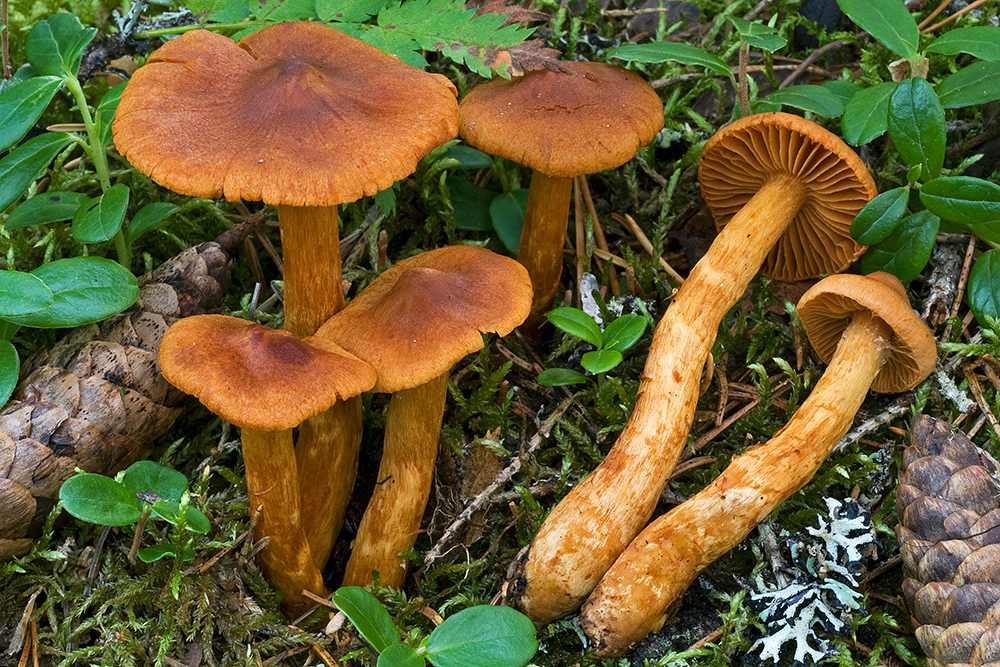
A modest orange-brown mushroom of conifer bogs and mossy forest. It contains orellanine, which destroys the kidneys days or even weeks after a meal, by which time the cause may not be suspected.
Cortinarius rubellus, commonly known as the deadly webcap, is a species of fungus in the family Cortinariaceae, native to high-latitude temperate to subalpine forests of Eurasia and North America. Within the genus it belongs to a group known as the Orellani, all of which are highly toxic. Eating them results in kidney failure, which is often irreversible. The mushroom is generally tan to brown all over, with a conical to convex cap 2.5 to 8 centimetres in diameter, adnate gills and a 5.5 to 11 cm tall stipe. Wikipedia
What it can do
- iContains orellanine, a bipyridine toxin that accumulates in the kidneys and causes kidney failure
- iiOrellanine glows blue-white under UV light, which helps forensic identification
- iiiForms ectomycorrhizae with spruce and pine
- ivIts cobweb-like veil (cortina) leaves rusty threads on the stem
At the table
Deadly. Symptoms begin 2–20 days after eating, starting with thirst, nausea and back pain, followed by kidney failure. Many survivors need lifelong dialysis or a kidney transplant. Cooking does not destroy orellanine. Victims have mistaken it for ceps (Boletus edulis, which has pores, not gills), chanterelles (Cantharellus, with blunt ridges and a pale spore print), and hallucinogenic Psilocybe. Webcaps have rusty-brown spore prints and true gills.
Fruiting body & spores
Spores
Spore print rusty brown; spores broadly ellipsoid to subglobose, warty, about 9–12 × 6.5–8.5 µm
- Dispersal
- Wind-borne basidiospores
Where it lives
Recorded sightings
—
geo-referenced records in GBIF, from museums, herbaria and field observers.
Native range
Northern Europe (especially Scandinavia and Scotland) and parts of North America and Asia, with conifers
Drag the globe to turn it. Dots are where records exist, not a range map; darker means more records.
In the old herbals & bestiaries
No plate in the Source Library names this exact species, so these show its closest relatives as the old naturalists drew them: same genus, or the same kind of plant. Click a plate to read the page it came from, with translation.

In the stacks
Searching the stacks…
Every page naming Cortinarius rubellus in the Biodiversity Heritage Library →
Marginalia
In 2008, Nicholas Evans, author of 'The Horse Whisperer', and three relatives were poisoned in Scotland after mistaking deadly webcaps for ceps. Three of them suffered kidney failure, and Evans received a kidney transplant from his daughter in 2011. The danger of orellanine came to light after a 1952 mass poisoning by the related Cortinarius orellanus in Konin, Poland, which affected 102 people and killed 11; Stanisław Grzymala isolated the toxin in 1962.
Curiosity
Orellanine's chemical structure was not worked out until 1979, almost three decades after the Konin poisoning revealed the danger.
Kinship
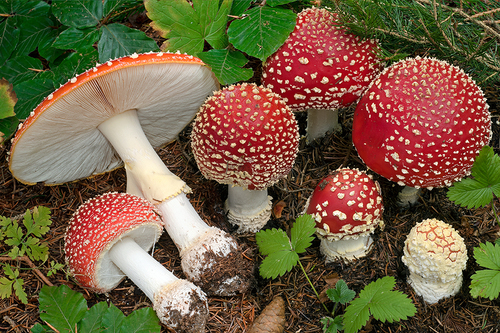
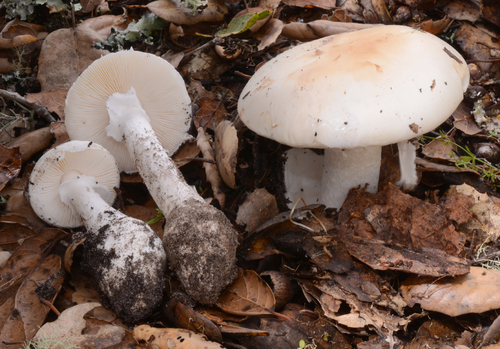
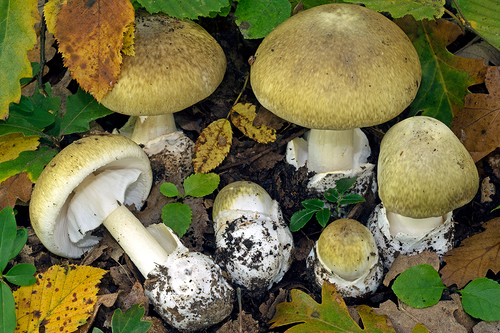

Fact-checked: 2 corrections made to this sheet. Photographs: iNaturalist contributors under the licences shown. Records: GBIF.org. Historical plates: Source Library (CC BY-SA 4.0; originals public domain). Summary text: Nature Library editors and Wikipedia (CC BY-SA). Medicinal and edibility notes are historical and educational, not advice. iNaturalist taxon 500053.