
Brush-furred Rats
Lophuromys Peters, 1874
The brush-furred mice, genus Lophuromys, are a group of rodents found in sub-Saharan Africa. They are members of the subfamily Deomyinae, a group only identifiable through molecular analysis. Lophuromys is also known as the brush-furred rats, harsh-furred rats or coarse-haired mice.
- Also published as
- Lasiomys Peters, 1866; Neanthomys Toschi, 1946
21 species · 2 branches
From Wikipedia (CC BY-SA), quoted section by section
Description
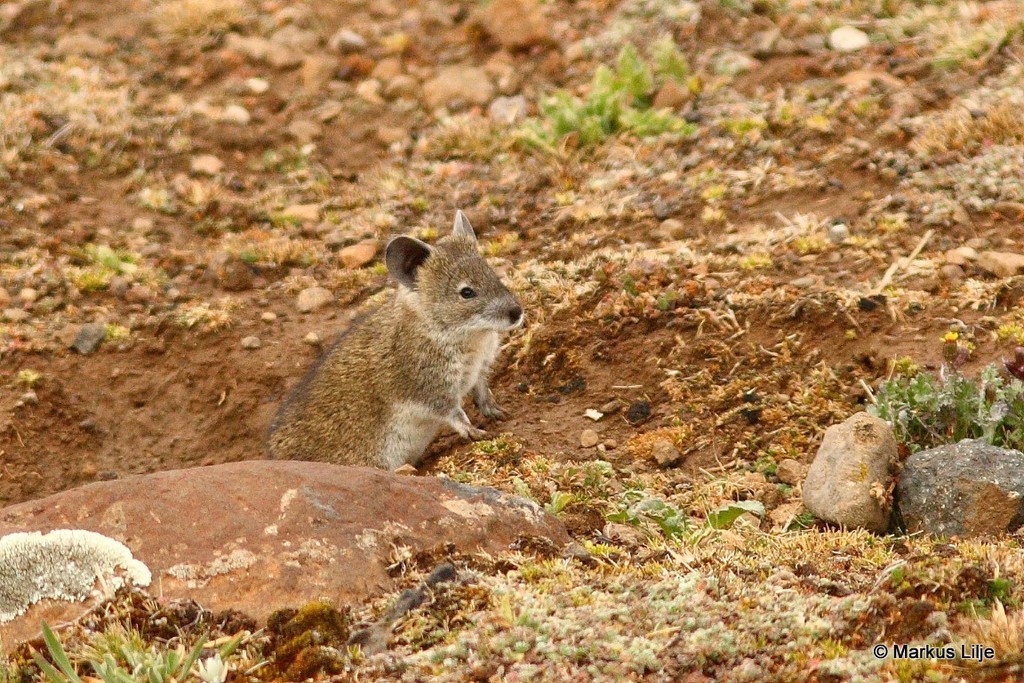
The brush-furred mice are so named due to the unique, stiff hairs that make up their pelage. The texture is similar to a soft brush. They are peculiar looking for several reasons. The coat varies depending on species, but ranges from tan to greenish greys and dark brown. Some species have an almost purplish tint to the pelage and others can be speckled. The underside is rusty, orange, brown, or cream-colored. They are chunky mice with relatively short legs. Most animals have noticeable scars, notched ears, or are missing part of their tails. The skin is delicate and the animals appear to use this as a predator avoidance technique. The tail breaks easily and may be lost so that the animal can escape. Once lost, it does not regenerate. The skin tears easily, particularly in strategic positions such as the scruff of the neck. In fact, if an animal is held by the scruff of the neck, it is capable of struggling its way free by tearing itself loose, leaving behind a patch of skin and fur. It is rare to find specimens in museums without sewn-up tears.
Range & habitat
Brush-furred mice appear to require moist areas and perhaps grasses. They are generally excluded from dry savannahs and forests with dense canopies. They are variable in degree of diurnality versus nocturnality. They appear to feed more on animal matter than most muroids. The proportion of animal material in the diet ranges from 40 to 100% depending on species. Food consists of ants, other insects and invertebrates, small vertebrates, carrion, and plant matter.
What it does
Brush-furred mice are solitary and are reported to fight when placed together. This may contribute to the wounds found on individuals. A brush-furred mouse was recorded to have lived for over 3 years in captivity. Allopatric speciation appears to have played an important role in shaping the evolution of this genus. Research conducted on the group suggests that isolated species exist a relatively short distance away from one another. Gene flow is either absent or greatly restricted among these isolated pockets. This has led to differences detectable by karyotype, allozymes, and DNA sequencing. The number of recognized species in this genus has increased in recent years and is probably still not representative of the true diversity of this group.
Where it has been recorded
Recorded sightings
—
geo-referenced records in GBIF, from museums, herbaria and field observers.
Drag the globe to turn it. Dots are where records exist, not a range map; darker means more records.
In the stacks
Searching the stacks…
Every page naming Lophuromys in the Biodiversity Heritage Library →
References
- Rosevear, D. R. (1969). The Rodents of West Africa.
- Wilson, Don E., and DeeAnn M. Reeder, eds. (1993). Mammal Species of the World: A Taxonomic and Geographic Reference, 2nd Ed., 3rd Printing.
- Musser, Guy G., and Michael D. Carleton / Wilson, Don E., and DeeAnn M. Reeder, eds. (2005). Superfamily Muroidea. Mammal Species of the World: A Taxonomic and Geographic Reference, 3rd Ed., Vol. 2.
From the Catalogue of Life (catalogueoflife.org), compiled from its specialist databases; CC BY 4.0. This name in the Catalogue of Life.